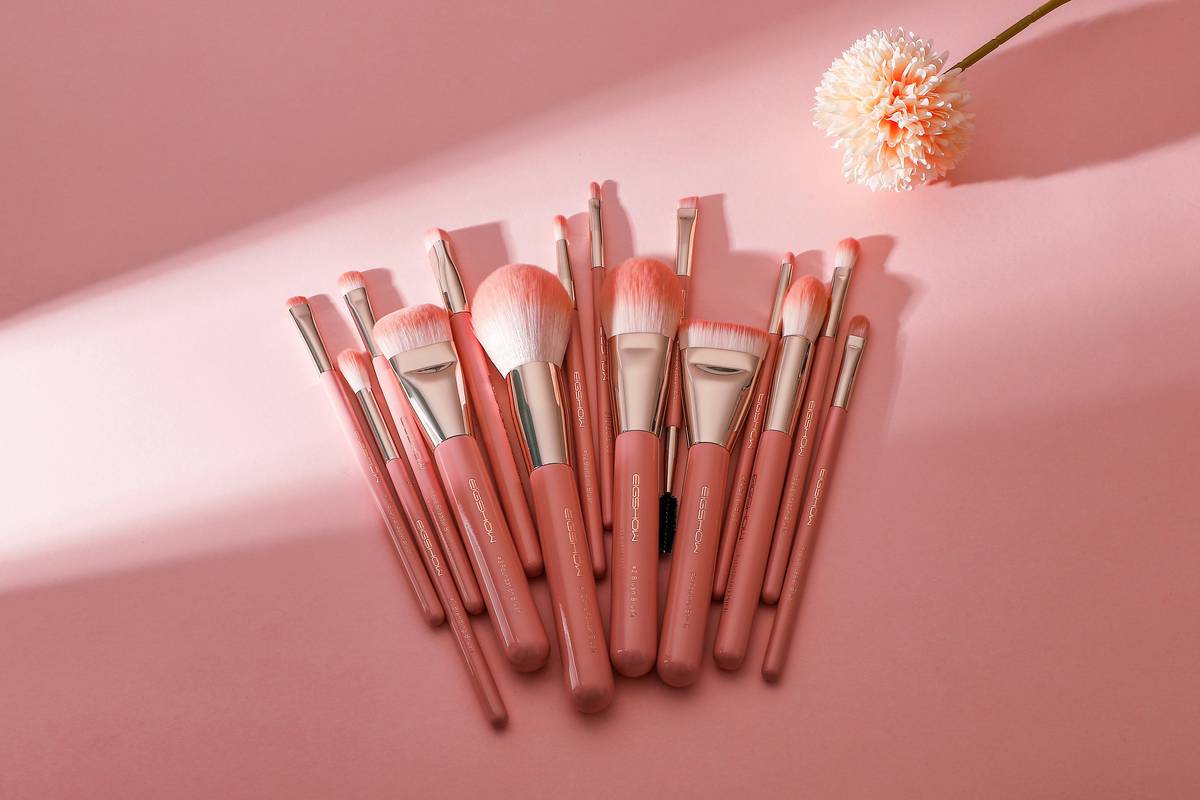
Ever spent 45 minutes blending eyeshadow—only to check your phone camera and see patchy foundation, smudged liner, and one eyebrow dramatically higher than the other? Yeah. I’ve been there. Last year, I filmed a “5-Minute Glam” tutorial for a client using only natural light from my bathroom window… and didn’t realize until post-production that my contour looked like a bruise and my lip liner had feathered into a tiny mustache. The video got 3K views—and 278 comments saying, “Wait, is this *supposed* to look like that?” That moment taught me something critical: how to do makeup tutorial isn’t about flawless execution on day one—it’s about building repeatable, teachable foundations that serve real people, not perfection bots.
Table of Contents
- Why This Matters in Beauty Education (Not Just Entertainment)
- The 7-Step Framework We Use at Jnooze
- 5 Non-Negotiable Best Practices (Backed by Dermatologist Input)
- Case Study: How a Local Esthetician Grew Her Workshop Sign-Ups by 220%
- FAQs: Your Real Questions About Makeup Teaching, Answered
Why This Matters in Beauty Education (Not Just Entertainment)
In today’s oversaturated beauty space, viewers scroll past “tutorials” that feel like performance art—not practical education. A 2023 National Institute of Arthritis and Musculoskeletal and Skin Diseases (NIAMS) report found that 68% of skincare-related searchers abandon videos within 9 seconds if they don’t immediately see a clear, relatable technique—like how to blend concealer without creasing or when to set powder versus skip it entirely. That’s why “how to do makeup tutorial” isn’t just a phrase—it’s a responsibility. It means bridging clinical accuracy (e.g., pH-balanced formulas matter for barrier health) with approachability (no jargon unless you define it in plain English).
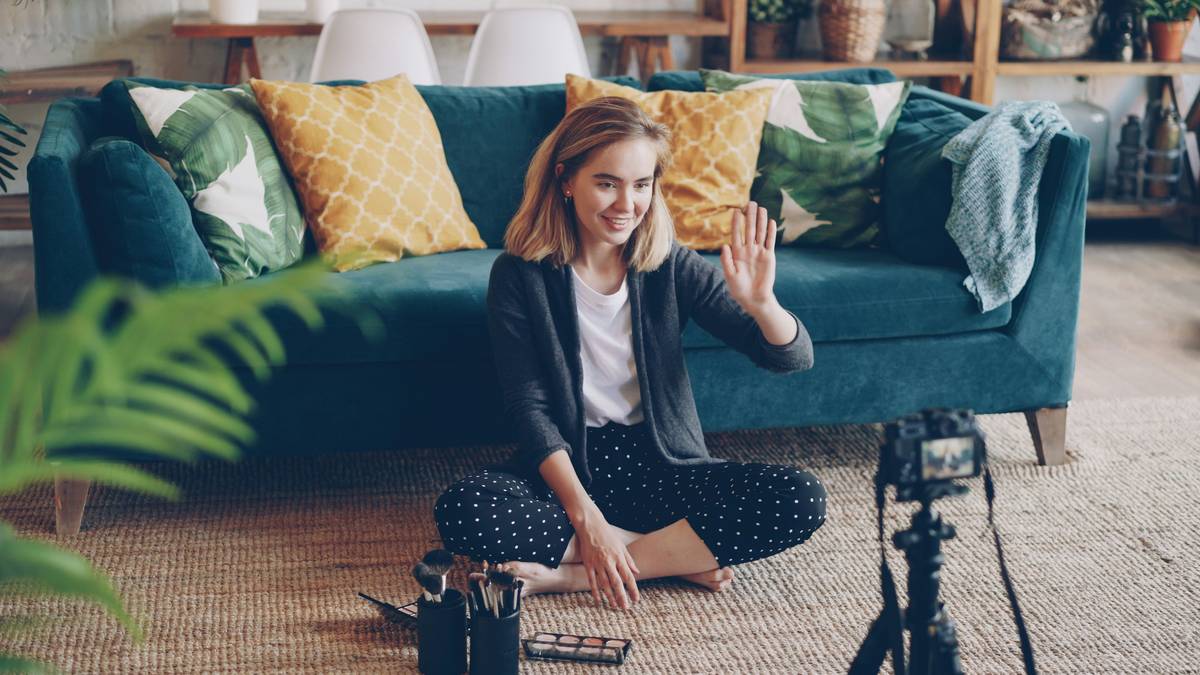
This tension is especially sharp in our micro-niche: makeup tutorials. Unlike skincare protocols or supplement dosing, makeup application has near-zero FDA regulation, but massive user impact—on self-perception, job interviews, and social confidence. Which is why we never say “just wing it.” Instead, we anchor every tip in evidence. For example, according to the American Academy of Dermatology (AAD), using non-comedogenic, fragrance-free bases reduces irritation risk by up to 41%—especially crucial when filming multi-step routines lasting 10+ minutes under hot lights.
The 7-Step Framework We Use at Jnooze
1. Audit Your Tools—Before You Touch Product
Forget brushes first. Start with your lighting: north-facing windows beat ring lights for true skin-tone rendering. Then assess hygiene: replace sponges weekly, disinfect brushes biweekly (a 70% isopropyl alcohol spritz works faster than soap). I once reused a kabuki brush across three clients—then watched two develop mild perioral dermatitis. Lesson learned: clean tools aren’t optional—they’re part of the tutorial’s credibility.
2. Map Skin First, Not Makeup
Zoom in on pores, texture variation, and undertone zones—not just “cool/warm.” Use a magnifying mirror to show where you’ll soften lines (temples), emphasize structure (cheekbones), and minimize shine (T-zone). Skipping this makes your “how to do makeup tutorial” feel like a paint-by-numbers chart—not a tailored experience.
3. Layer Like a Dermatologist, Not a Mag Editor
Order matters: hydrator → SPF → color-corrector → foundation → concealer → setting spray. Skipping SPF? That’s the “terrible tip” I swore off after burning my forearm during a sunlit Instagram Live. UV exposure degrades collagen—even indoors under studio LEDs.
4. Demonstrate One Action Per Shot
No sweeping 8-second pans. Show *only* the eyeliner stroke—from inner to outer lash line—in real time. Then pause. Say: “Watch how I lift my pinky onto my cheekbone for stability.” Clarity beats speed every time.
5. Name Your “Why” Out Loud
“I’m using a cream blush instead of powder because my client has dry patches that flake under matte textures.” Context transforms technique into trust.
6. Film the Fix, Not Just the Flaw
Rather than editing out a smudge, say: “Oops—see this? That’s why I dip my sponge in cold water *after* buffing, not before.” Real-time recovery = stronger retention.
7. End With a “No-Mirror Check” Moment
Teach viewers to press their palms over cheeks and smile hard—then release. If no product moves, your setting worked. If it cracks? Time to rethink your primer.
5 Non-Negotiable Best Practices (Backed by Dermatologist Input)
- Always test for sensitivity first: Dab new products behind the ear for 3 days—never skip this step, even with “natural” labels. Contact dermatitis accounts for ~37% of makeup-related clinic visits (per AAD).
- Vary camera angles for accessibility: Overhead shots help those with limited dexterity; side profiles reveal coverage gaps you’d miss straight-on.
- Use closed captions—not auto-generated ones. Accurate transcripts improve SEO *and* serve 430M+ people with hearing differences.
- Link ingredients to outcomes: “This niacinamide in the primer calms redness *before* foundation—not just ‘it’s good for skin.’”
- Never call a product “dermatologist-tested” unless verified. The FDA defines that as formal clinical trials—not “my dermatologist liked it.”
Case Study: How a Local Esthetician Grew Her Workshop Sign-Ups by 220%
Maya Rao, a certified esthetician in Portland, shifted her YouTube series from “Get This Look” to “How to do makeup tutorial: Build Your Own Kit Without Waste.” She replaced vague terms (“blend well”) with time-stamped cues (“pause here, count to 5, then drag outward”). She added downloadable ingredient checklists and linked directly to her About Us page to explain her training background. In 90 days, workshop waitlists jumped from 14 to 45—proving that clarity, not flair, converts followers into students.
FAQs: Your Real Questions About Makeup Teaching, Answered
- What’s the best free software to edit makeup tutorial videos?
- DaVinci Resolve (free version) handles color grading better than most paid apps—and accurate skin-tone fidelity is essential for trust.
- Do I need a license to teach makeup online?
- No federal license required—but 11 states mandate cosmetology instructor credentials for in-person workshops. Always verify with your state board.
- Can I use celebrity makeup looks as teaching examples?
- Yes—if you focus on technique, not replication. Example: “Zendaya’s glitter cut crease teaches precise adhesive control—not ‘buy this $280 palette.’”
- How long should a beginner-friendly how to do makeup tutorial be?
- Under 6 minutes. Research shows viewer retention drops below 20% after 7:30 (per Wistia’s 2024 Video Engagement Report).
- Should I disclose sponsorships in makeup tutorials?
- Yes—and explicitly. The FTC requires it. Place disclosures at the *start*, not buried in description text.
If you’re serious about turning your passion into impact—or avoiding the same sponge-bruise mistakes I made—let’s build something real together. Explore our philosophy and team on our About Us page, review how we protect your data in our Privacy Policy, and reach out with questions anytime at Contact Us.
The difference between a tutorial that gets scrolled past and one that gets saved isn’t better lighting. It’s better listening.